
"Beyond Boundaries" T&L Lecture Series #9 | Self-Authorship, Human Development, and Higher Education in the Age of AI Successfully Concluded
On January 7, 2026, the Centre for Teaching and Learning (CTL) successfully concluded the ninth session of the "Beyond Boundaries" Teaching and Learning Lecture Series. Delivered by Dr. Shanker DUTT BHATT, Managing Director of MaxED, the lecture titled "Self-Authorship, Human Development, and Higher Education in the Age of AI" offered a profound critique of contemporary educational challenges, framing AI not merely as a technological tool but as a developmental stress test for higher education. The event attracted a diverse audience of faculty and staff, stimulating deep reflection on the fundamental mission of education.
Dr. Shanker DUTT BHATT brings decades of rich experience in international education leadership, teacher training, and pedagogical research. Having formerly served as the Executive Director (Teacher Training and Educational Consulting) at the University of Nottingham Ningbo China and as a founding principal at several prestigious international schools across China, Dr. DUTT BHATT possesses extensive practical and research insights into adolescent development, curriculum design, and the cultivation of student agency within cross-cultural academic contexts.
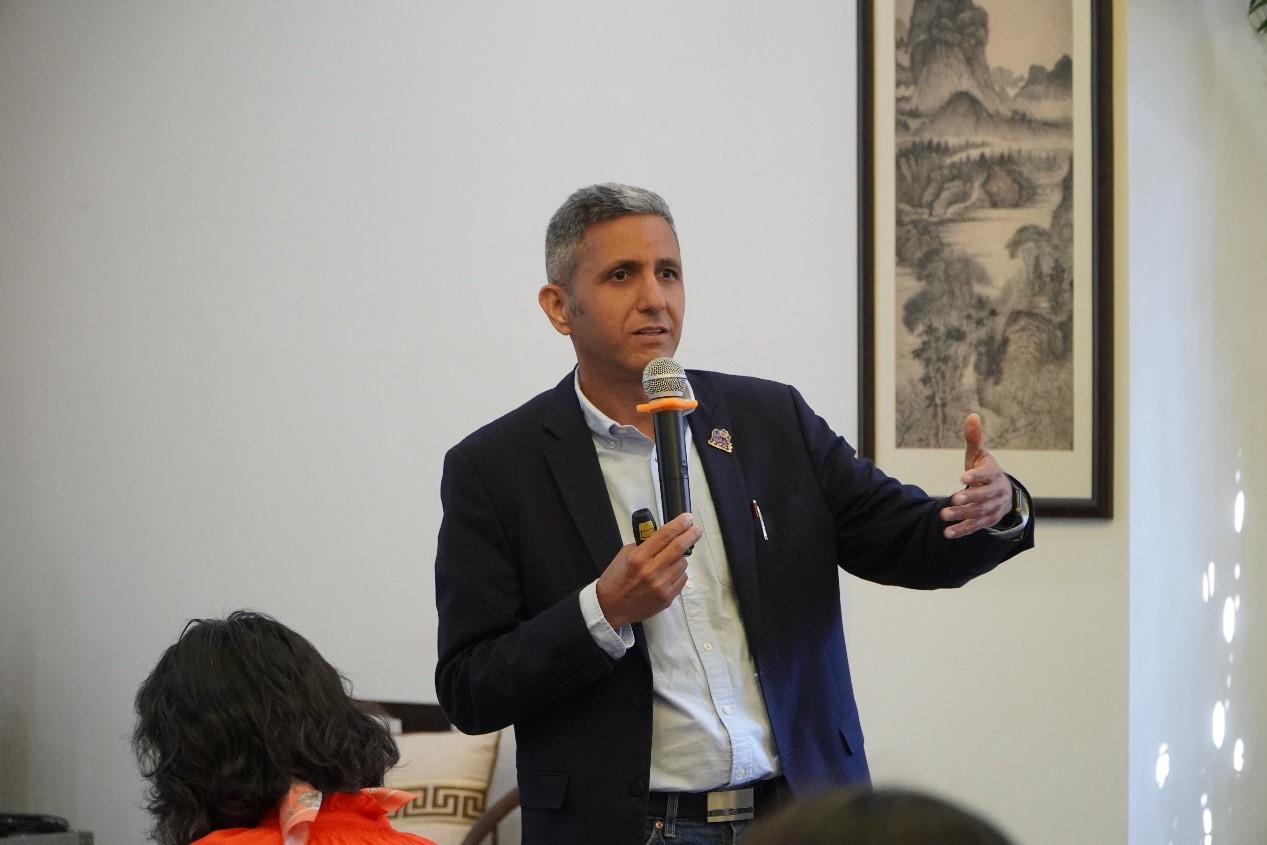
Dr. Shanker DUTT BHATT Speaking at the Lecture
In his lecture, Dr. DUTT BHATT challenged the prevailing discourse, arguing that AI primarily exposes a pre-existing developmental gap. He highlighted how students often rely on external authorities, from teachers to algorithms, without developing an internal capacity for judgment, a state where they perform successfully without fully authoring what they know. AI, he noted, risks amplifying this by removing the need for persistent cognitive effort. He introduced the critical concept of Self-Authorship, defined as the integrated capacity for meaning-making, internal values, and informed decision-making. Contrasting early childhood's floodlike consciousness with the mature, focused torchlike consciousness, Dr. DUTT BHATT urged educators to guide students toward becoming self-authored individuals.
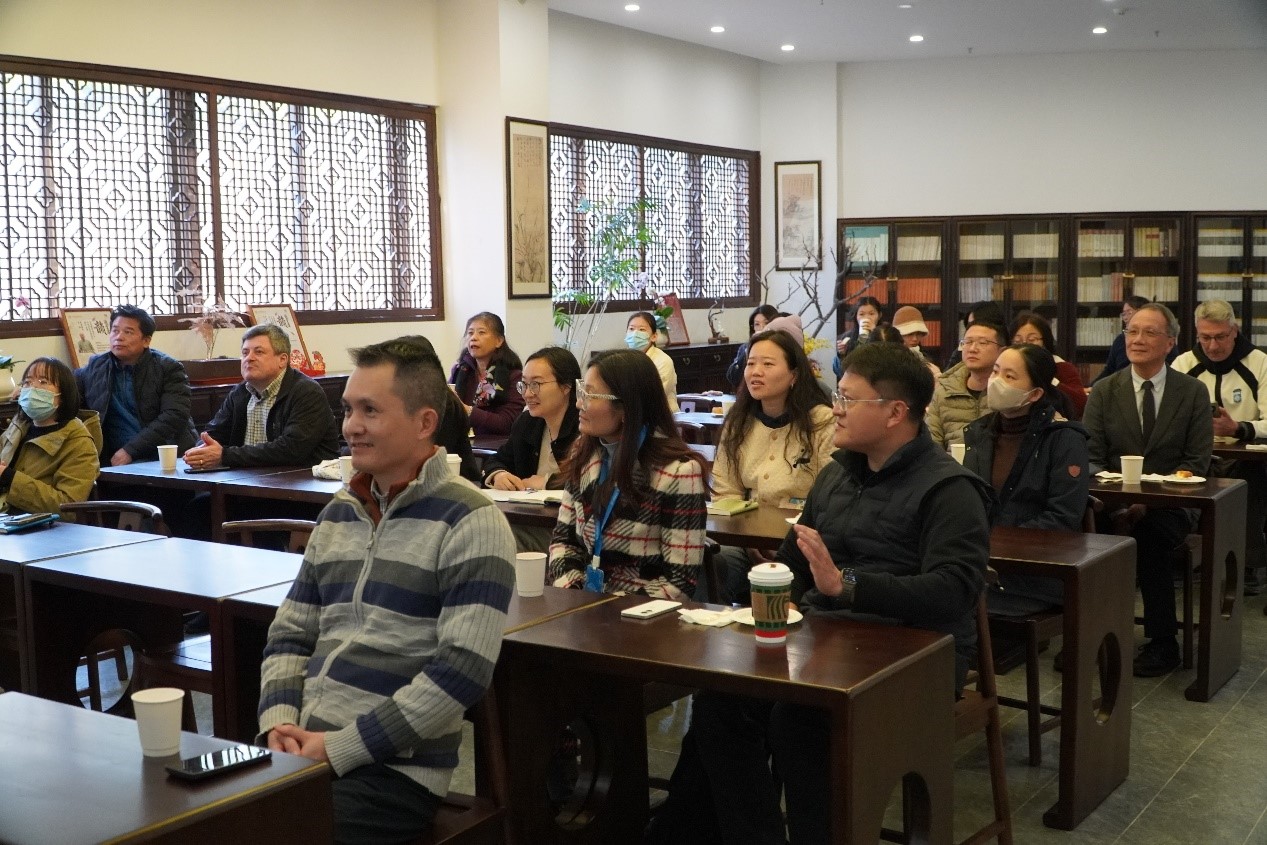
Participants listen to the lecture attentively
To address this challenge, Dr. DUTT BHATT presented the evidence-based Learning Partnerships Model as a practical framework. This model emphasizes validating learners as capable knowledge producers, situating learning within their lived experiences, and engaging in mutual meaning-making through shared authority. He further outlined pedagogical strategies to promote self-authorship, including Service-Learning to create value-based dissonance, Undergraduate Research to foster epistemic responsibility, and Experiential Immersion to trigger transformative crossroads moments. He concluded by asserting that if education is a roadmap, self-authorship is the indispensable internal compass.
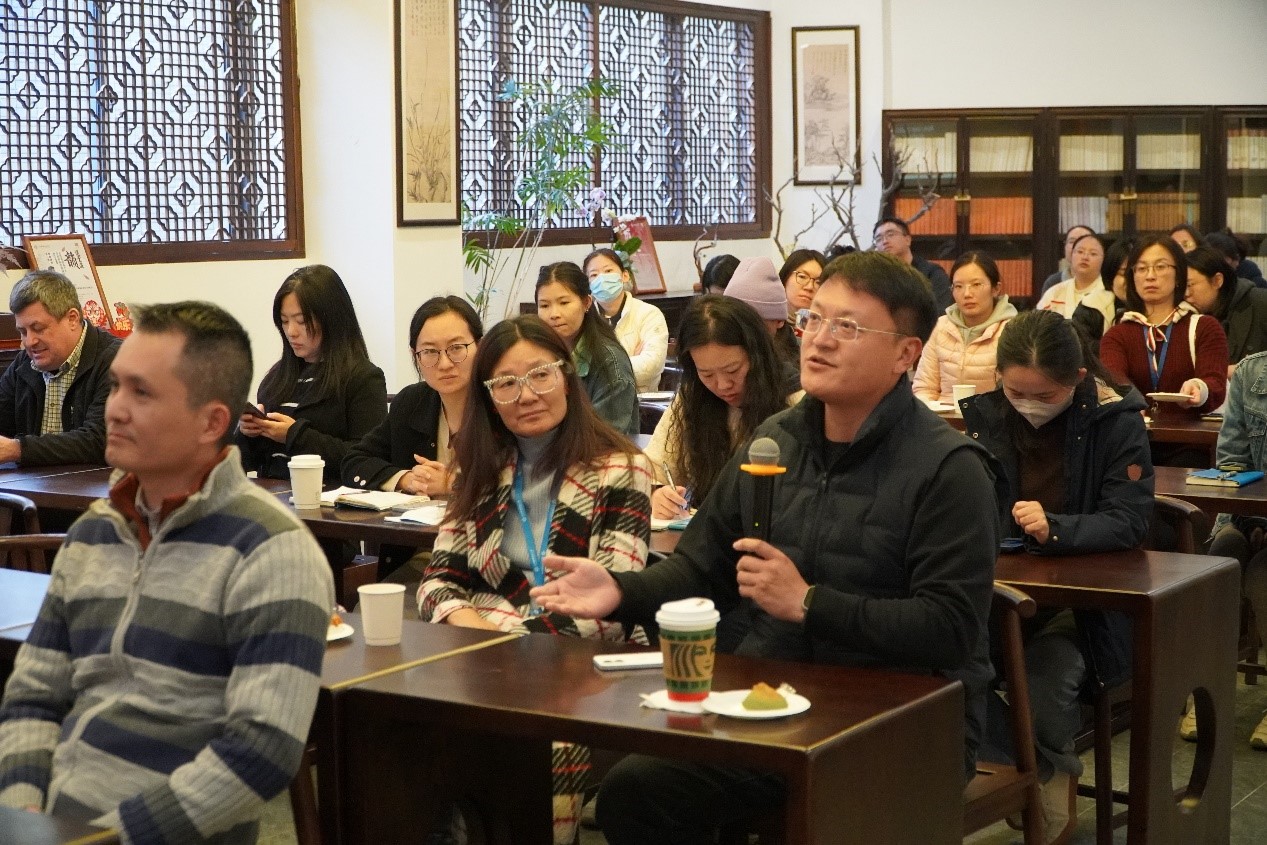
Q&A Session
The Q&A session saw active engagement, with participants raising questions about practical implementation across different disciplines, balancing curriculum coverage with deep developmental work, and supporting students in this transition. Dr. DUTT BHATT provided detailed responses grounded in research and case studies, fostering a shared sense of mission. Attendees agreed that the lecture shifted their perspective on AI from a problem to be managed to a catalyst for re-centering education on human development. Many left with a renewed commitment to designing learning experiences that build students' internal authority.
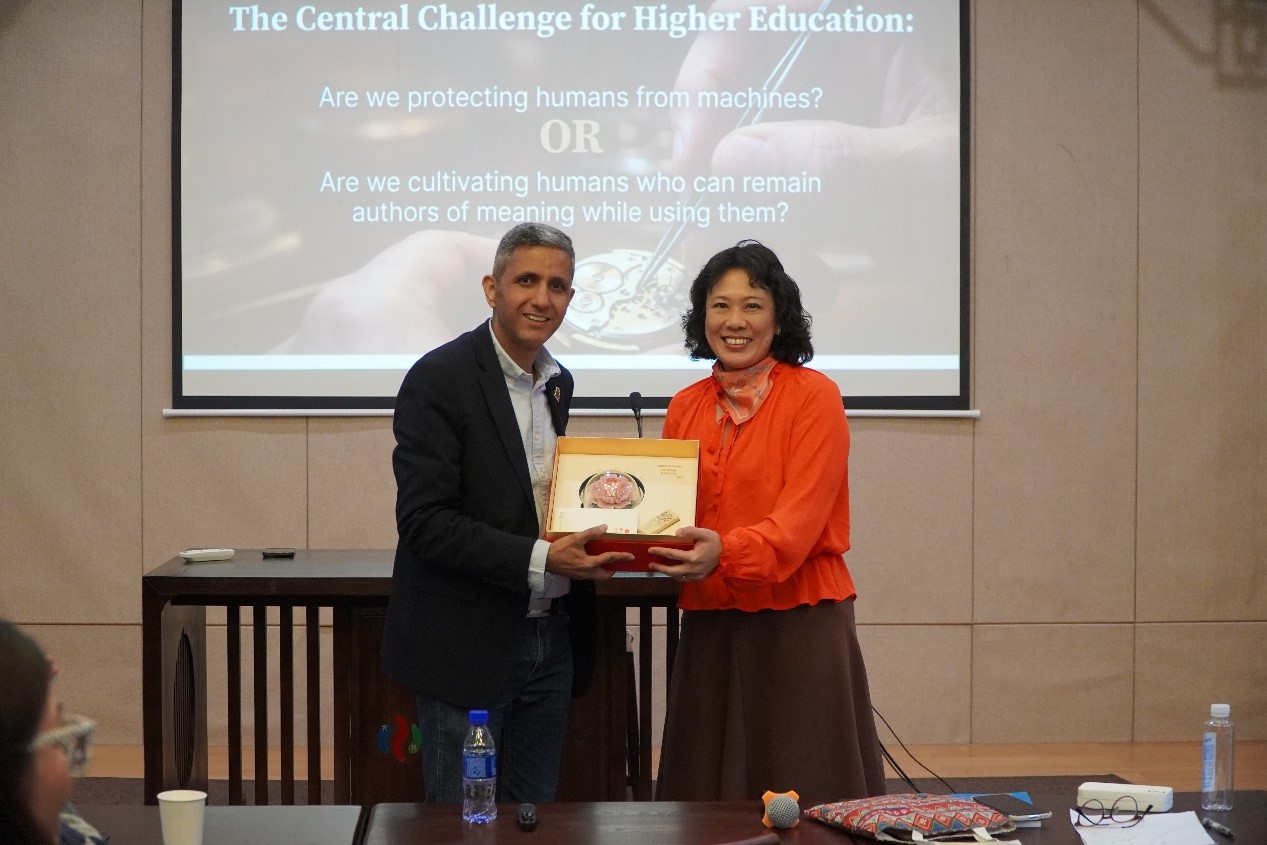
Dr. Vivien Wai Wan CHAN Presented a Souvenir to Dr. Shanker DUTT BHATT
To conclude the event, CTL director, Dr. Vivien Wai Wan CHAN presented Dr. DUTT BHATT with a selection of exquisite campus-themed gifts.
This lecture successfully reframed a pressing technological challenge as a core developmental opportunity for higher education. By focusing on cultivating self-authorship, it provided faculty with both a critical lens and a practical toolkit to ensure that education remains fundamentally human-centred. In the future, CTL will continue to leverage the "Beyond Boundaries" Lecture Series to deliver such thought-provoking, transdisciplinary dialogues, steadfastly promoting the continuous enhancement of teaching quality and the holistic development of our academic community.
Last Updated: January 8, 2026


